

SUPERFLEX
SUPERFLEX will create a new marine landmark set along the coastal area of Haukipudas. The Danish artist group draws on their long-standing collaboration with marine biologists and scientists in the creation of their sculpture. Developed in conversation with local fishermen, the work encourages the public to slow down.
Artwork: Super Kello
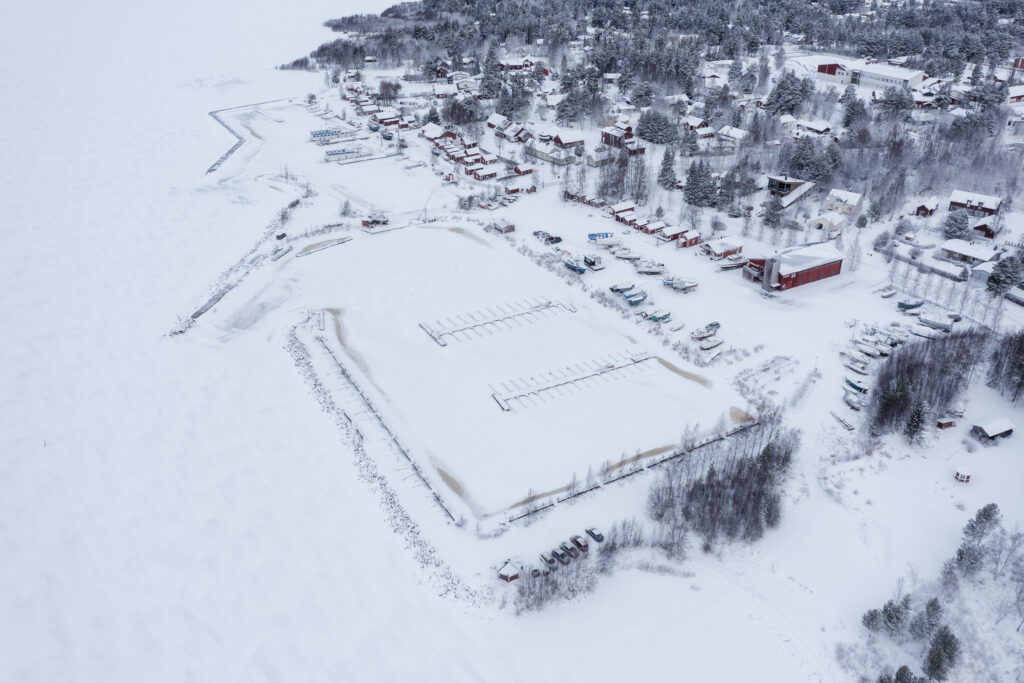
Location: Kiviniemi Fishing Harbor in Kello, Haukipudas
Address: Kiviniemen rantatie 10, 90810 Oulu
Bio
SUPERFLEX, founded in 1993 by Jakob Fenger, Bjørnstjerne Christiansen, and Rasmus Rosengren Nielsen, works as an expanded collective collaborating with a wide range of specialists. Their projects explore alternative social and economic models through sculptures, energy systems, public spaces, and infrastructure.
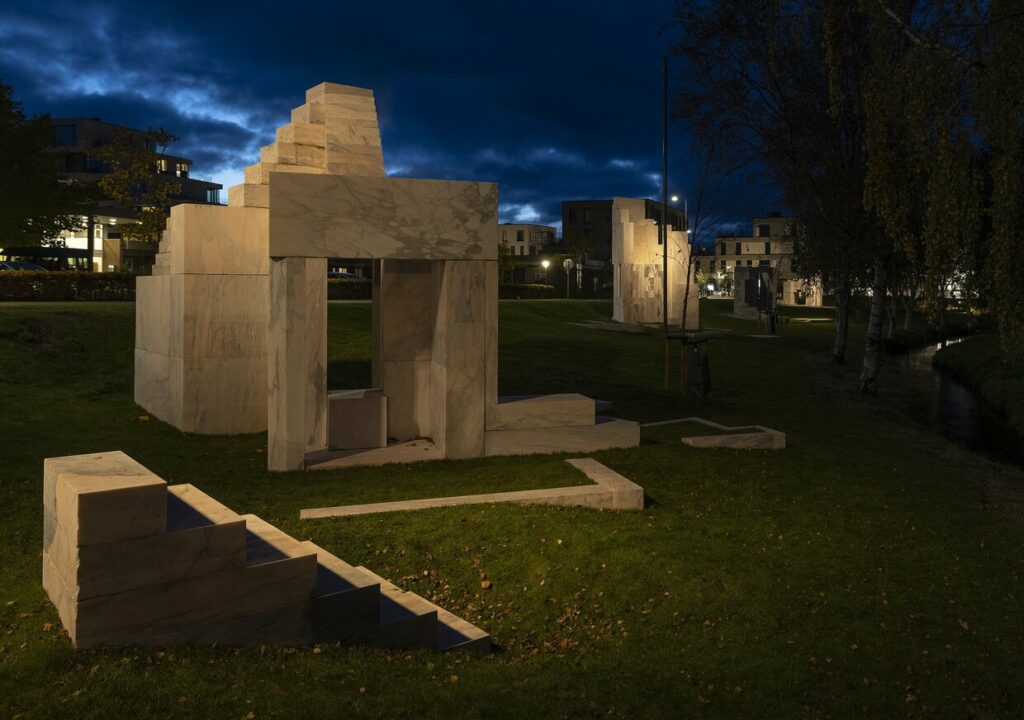
Since their award-winning Superkilen (2011), SUPERFLEX has engaged in major public projects, including Super Metro in Copenhagen and One Two Three Swing! in multiple locations around the world. Other projects include Venice Biennale Arte 2024: Stranieri Ovunque – Foreigners Everywhere, The Public Art Abu Dhabi Biennial, and The Fly at Albarrán Bourdais, Madrid.
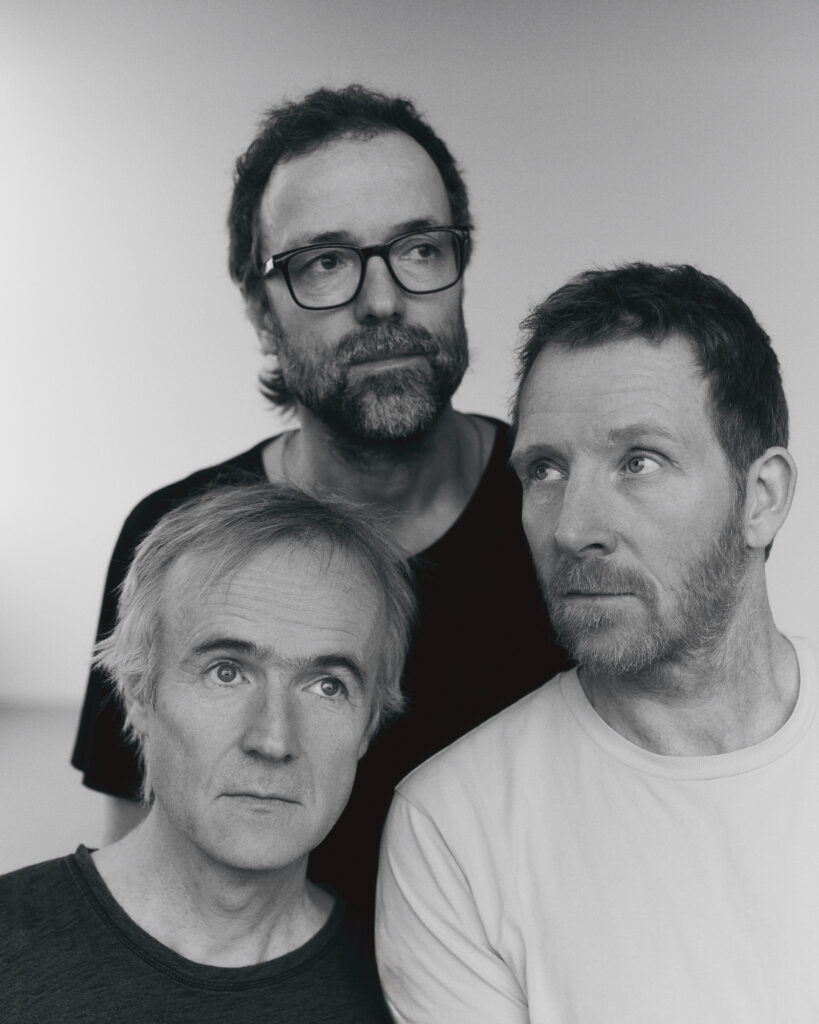
SUPERFLEX prioritises participation, integrating input from communities, specialists, and even other species to develop a new urbanism, that envisions a future of interspecies living. For SUPERFLEX, the best idea might come from a fish.
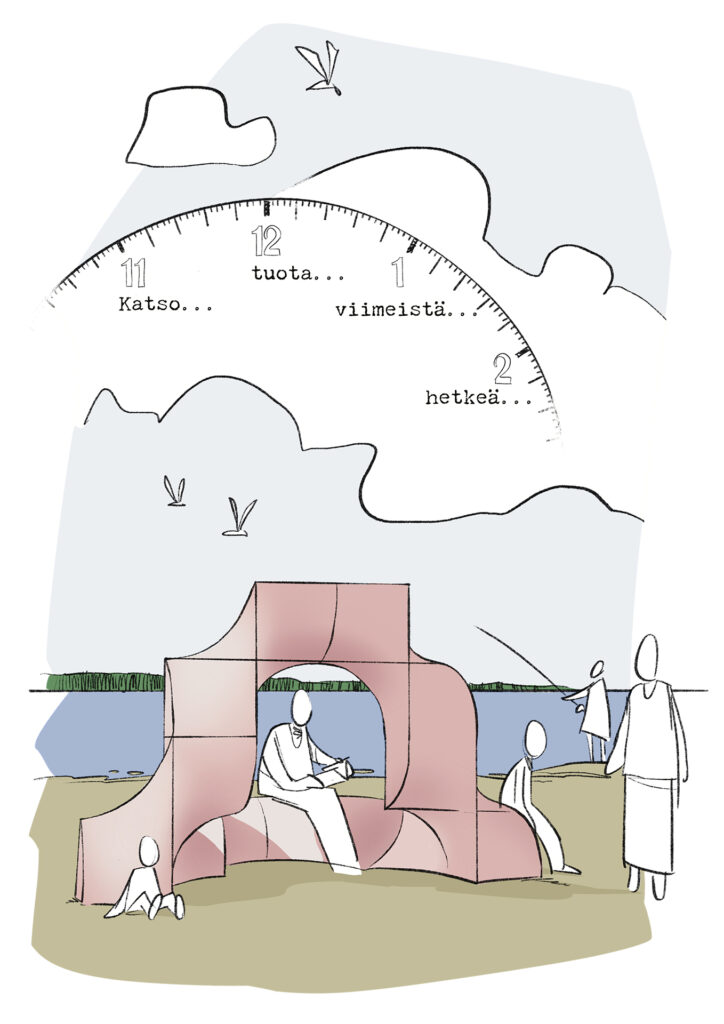
Along the coastal area of Haukipudas, SUPERFLEX presents Super Kello: a two-metre-high pink marble ‘fish cube’ structure named after the local fishing village and the Finnish word for ‘bell’, in which it is shaped. Visitors can sit inside the sculpture and hear one word per hour from a Finnish translation of Homer’s The Odyssey, spoken by a local fisherwoman. It will take ten years for the entire work to be read aloud, symbolically encouraging visitors to slow down and experience time differently. Sustainably built as blocks of human architecture without producing any waste, the structure can also function as a habitat for marine life, and has been designed to withstand rising sea levels.
Climate Clock public art trail will launch on 13 June 2026.