Oulu and Trenčín, Slovakia, marked the approaching close of their year as European Capitals of Culture and passed the baton to Liepāja, Latvia, and Évora, Portugal, which will hold the title in 2027. The handover was marked by the passing of UNITY – The Flame, a glass sculpture by Luxembourgish artist Pascale Seil that serves as a symbolic baton between successive European Capitals of Culture. The ceremony took place during From the Váh to the World in Trenčín on Saturday, 28 November, as part of the City Fiesta closing weekend.
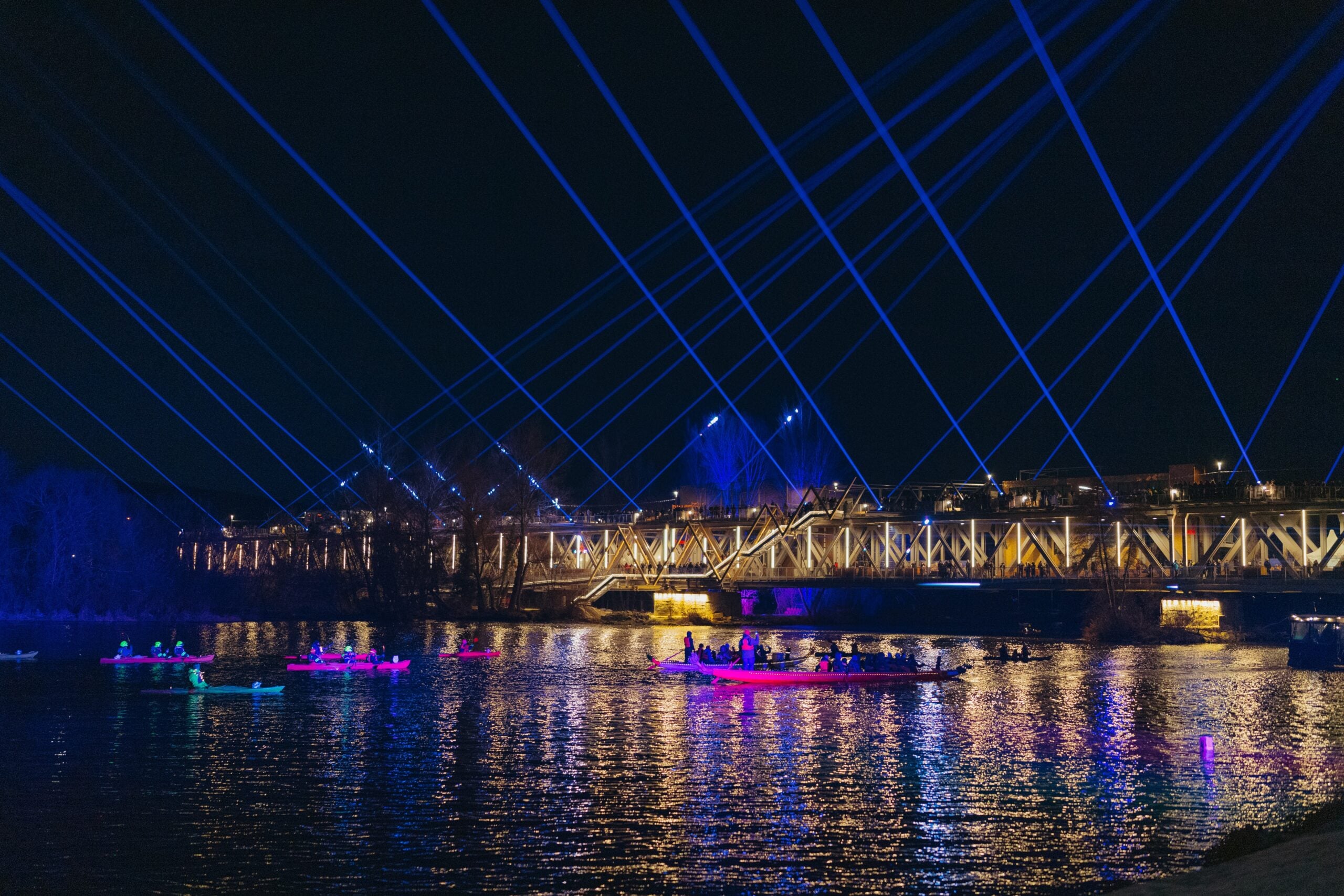
The symbolic handover took place beside the Fiesta Bridge in Trenčín, a former railway bridge that has been transformed into a green urban promenade with spaces for relaxation, socialising and cultural activities. The location reflected the lasting changes that the Trenčín 2026 – European Capital of Culture project has brought to the city.
As part of the From the Váh to the World programme, the organisers thanked the artists, cultural organisations, partners, volunteers and residents who contributed to the project. The handover connected the experiences of the two European Capitals of Culture 2026 with the ambitions of their successors. The statuette symbolised the continuity of the initiative, through which culture creates opportunities for encounters and collaboration across Europe.
A year of curiosity and cultural climate change
Trenčín built its programme around the idea of Awakening Curiosity. Through contemporary art, community engagement and the revitalisation of public spaces, it invited people to discover new perspectives on the city and take part in its cultural life. The programme’s European dimension brought local and international artists together and created new opportunities for the cultural and creative sectors in the city and the region.
The Trenčín 2026 programme featured more than 1,500 events, attracted over 330,000 visits and brought together participants from at least 32 countries. More than 500 volunteers helped bring the programme to life. The project also involved the renovation of more than 60,000 square metres of space, creating a lasting foundation for cultural and community activities.
“This year was shaped by the people who chose to be part of it, from artists and volunteers to neighbours who became involved in activities in their communities. Thanks to them, Trenčín has new places to meet, new experiences and partnerships across Europe. We want to build on this and continue creating opportunities for culture beyond 2026. As we pass the baton to Liepāja and Évora, we hope the title will inspire curiosity and give them the confidence to bring their own ideas to life,” said Stanislav Krajči, director of the Trenčín 2026 project.
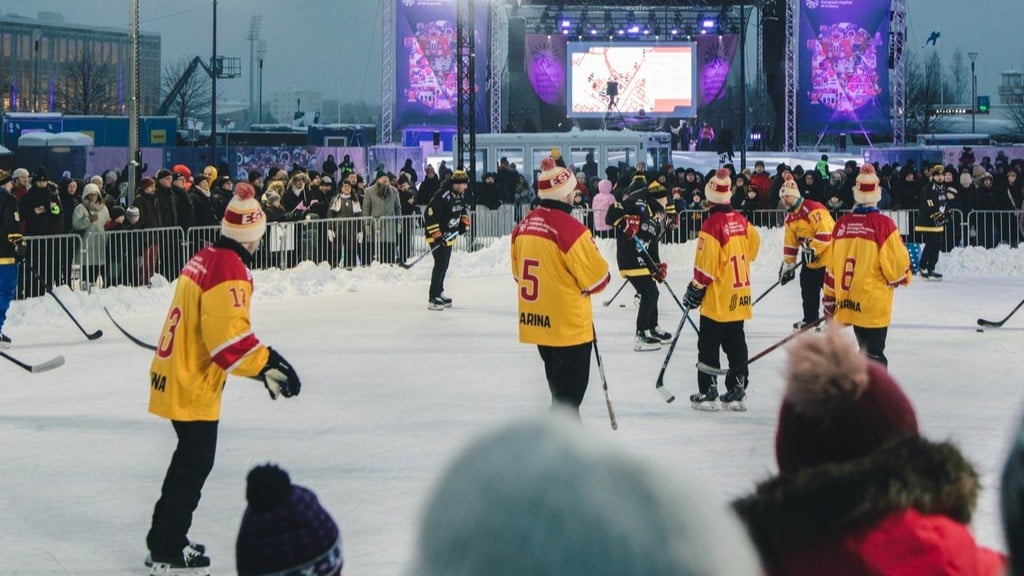
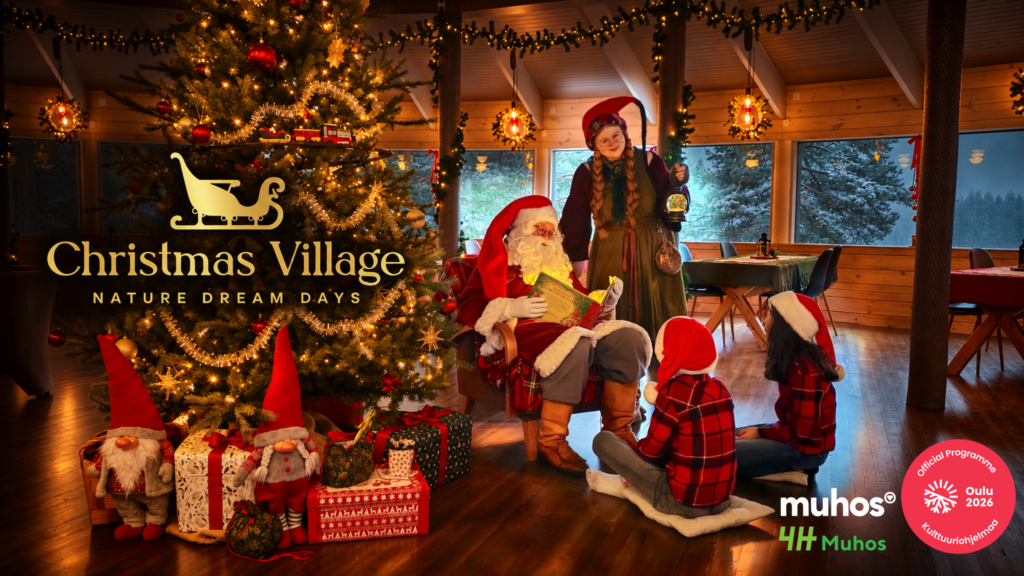
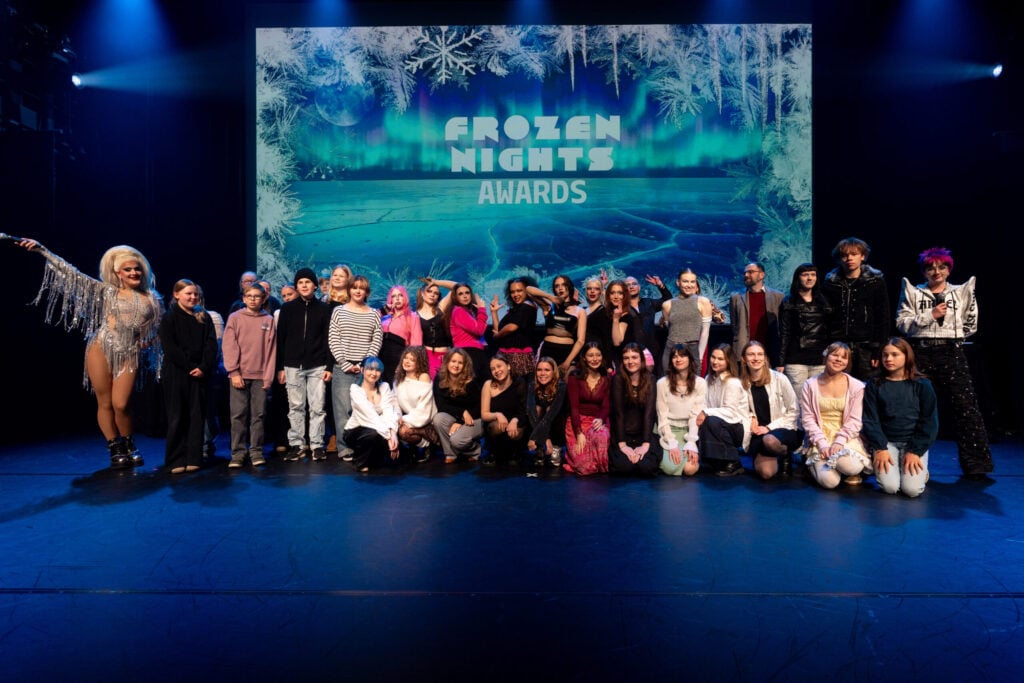
Oulu, Finland, approached its year as European Capital of Culture through the theme of Cultural Climate Change, aiming to enrich cultural life in the long term and strengthen connections between people. Its programme brought art together with technology and northern nature, highlighted Sámi culture and engaged local communities. It explored contrasts between light and darkness, as well as the relationship between the city and its surrounding landscape.
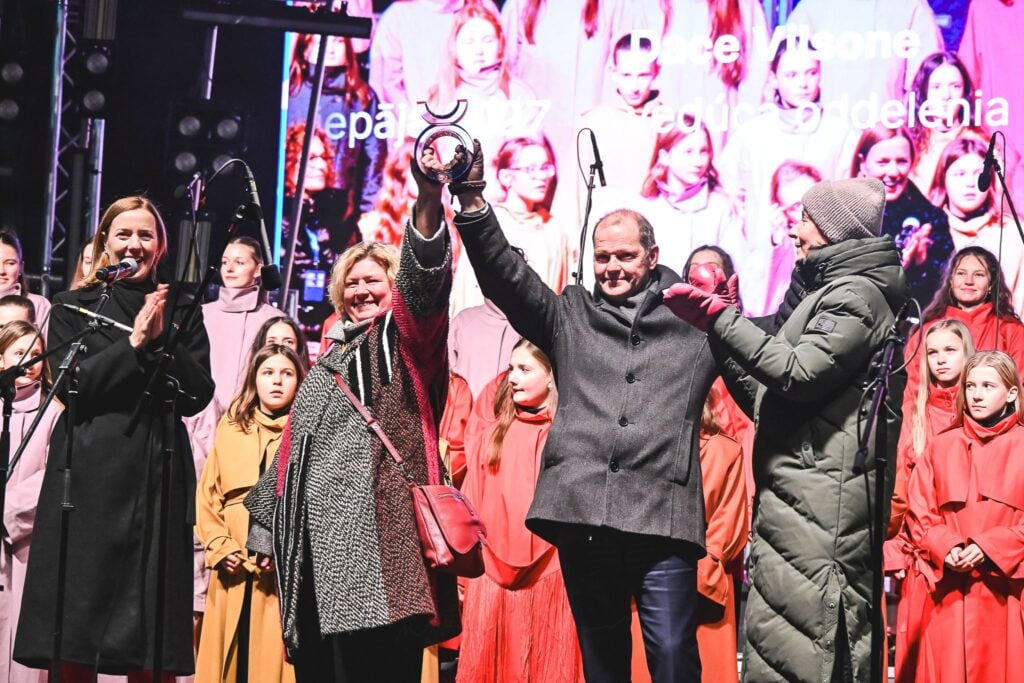
Piia Rantala-Korhonen, CEO of the Oulu Culture Foundation, is pleased with the achievements of the year.
“The cultural programme’s more than 1,100 projects even exceeded expectations. Oulu2026 has been created together with local residents and cultural professionals. The number of leisure travellers has increased by 25%. Working together has brought Oulu and its 39 partner municipalities in Northern Finland closer together. This provides an excellent foundation for continuing the positive cultural climate change,” said Rantala-Korhonen.
Looking ahead to 2027 through (un)rest and the art of slowing down
Liepāja, a Baltic Sea coastal city with white sandy beaches, centuries-old cultural traditions and a rich maritime and industrial heritage, is preparing to become a European Capital of Culture in 2027, alongside the South Kurzeme and Kuldīga regions. Its programme will feature more than 500 cultural and artistic events, with artists from 45 countries.
Under the theme (un)rest, the programme explores the contrasts that define Liepāja: between seaside tranquillity and industrial energy, historical traditions and contemporary creativity. From former industrial sites and historic buildings to the city’s white sandy beaches, unexpected settings will become stages for exhibitions, performances and festivals, bringing together local and international artists. Programme highlights include the award-winning opera performance Sun & Sea, an exhibition by Japanese artist Chiharu Shiota and the international choral festival Europa Cantat. The opening celebrations will take place from 22 to 24 January 2027.
“Liepāja 2027 is an opportunity to build on our city’s rich cultural traditions while opening new doors to Europe. We want to strengthen international partnerships for our local cultural organisations and artists, attract new audiences and visitors, and establish Liepāja and the wider region as an appealing cultural destination. Above all, our ambition is to ensure that the connections we create and the opportunities we open up in 2027 continue to benefit our communities, cultural sector and tourism long after the title year,” said Inta Šoriņa, CEO of Liepāja 2027.
Évora and the Alentejo region invite Europe to discover Vagar, a way of life rooted in slowing down, paying attention to others and cultivating a thoughtful relationship with the world around us. The Évora 2027 programme connects cultural heritage with contemporary art and collaboration with local communities. Projects include the House of Arts and Crafts, the Bodies of Water Festival, which explores the links between water, nature and human coexistence, and X-Images, which uses artistic and participatory approaches to reveal hidden layers of the city’s cultural heritage.
“Évora’s cultural identity is ancestral, authentic and alive. Through Vagar, we offer Europe a cultural proposition that feels especially relevant today: to inhabit time more consciously, to strengthen human connections, to respect nature and to place wellbeing and sustainability at the centre of the future we are building. Our ambition for 2027 is to create a year of participation, creativity and dialogue, bringing together artists, communities and audiences from across Europe. More than a programme of cultural events, we want Évora 2027 to be a space for reflection, exchange and shared discovery, leaving a lasting legacy of cultural engagement, cooperation and confidence in our collective capacity to shape a better future,” said Maria do Céu Ramos, CEO of the Évora 2027 Association.
What remains beyond 2026
Trenčín retains new and renovated spaces for cultural and community life. The Fiesta Bridge has transformed the former railway bridge into a promenade and meeting place on the Váh River. The Landmarks project has brought works of art into the landscape of the Považie region. The experience gained by local organisations, the volunteer community and the international partnerships developed during the preparations and the title year will contribute to the city’s future development.
In Oulu, the new skills, collaborations and networks built over the years lay the foundation for a lasting legacy. The increased confidence and proven track record in delivering high-quality productions are valuable assets for the future.
Since 1985, the European Capital of Culture initiative has highlighted the diversity of European cultures and supported the long-term development of cities through culture. The symbolic handover marks the transition to 2027, when Liepāja and Évora will hold the title.