Danish artist Jakob Kudsk Steensen has revealed the title and concept of his major new commission for Oulu2026 European Capital of Culture. Titled The Kuutar Garden, the work transforms the Botanical Garden of the University of Oulu, its seed vault, and endangered plant stories into an immersive virtual world exploring botanical afterlife.
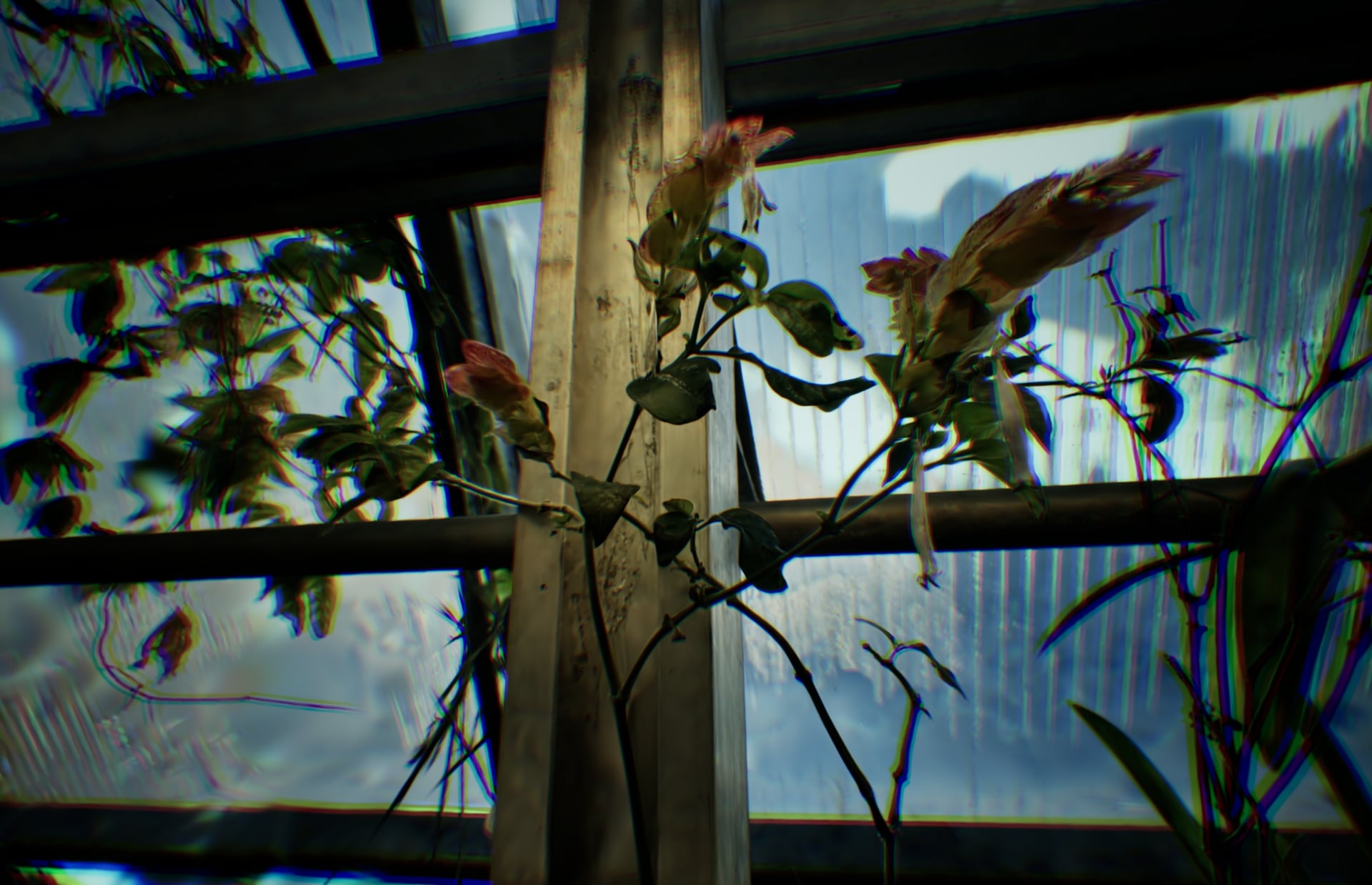
Presented in the underground Kivisydän car park beneath Oulu city centre, the installation draws on more than four years of ecological fieldwork in Northern Finland. Since 2023, Steensen has worked in Oulu and its surroundings, where the Botanical Garden of the University of Oulu and Oulu’s distinctive northern light — especially moonlight — have become central influences.
The work draws on plant collections, seed archives and conservation research, including the endangered aquatic plant Hippuris tetraphylla. Part of Steensen’s process includes a virtual replica of iconic Oulu Botanical Garden pyramids, which houses fragments and stories from many decades of botanical research for audiences to discover.
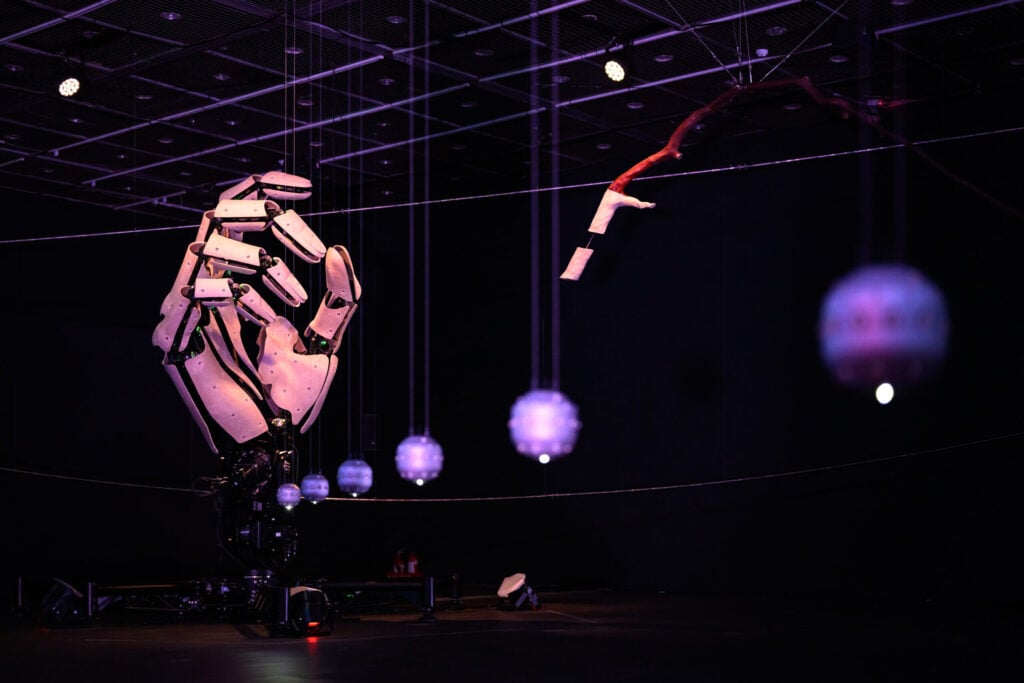
Visitors encounter an immersive environment inspired by one of the world’s northernmost botanical gardens, with the simulated world’s corresponding musical elements made in collaboration with Danny L Harle, and Lugh O’Neill. The underground space is reimagined as a spectral garden, and visitors move from one plant screen to another and across a synchronised soundscape.
Kuutar – an architect of memory
The title refers to Kuutar, a female figure from Karelian-Finnish and Baltic-Finnish folklore, known through the Kalevala and Kanteletar. Associated with the moon, nature, and cycles of life, and sometimes described as a weaver of golden threads, Kuutar connects themes of creation, continuity and transformation.
In Steensen’s interpretation, she becomes an architect of memory: part seed bank, part archive, part speculative ecosystem.
“The afterlife is a space of new worlds, not just the dying of the old,” says Steensen.
These encounters form a virtual ecosystem where plants act as messengers between past and future, science and mythology.
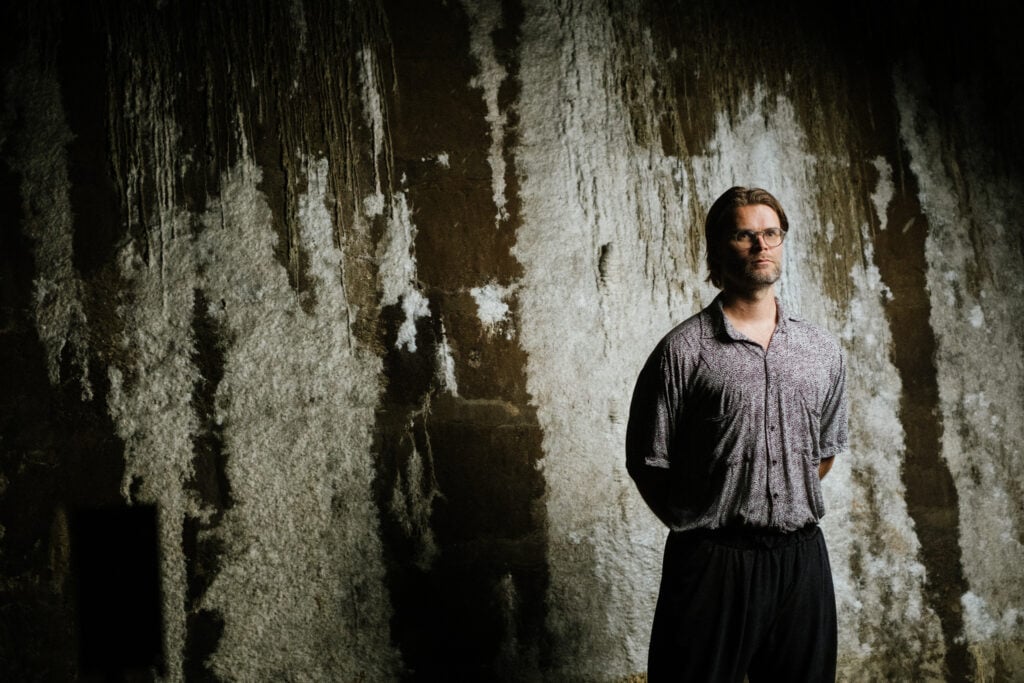
Jakob Kudsk Steensen
Jakob Kudsk Steensen explores ecological and psychological themes. Working with technologies such as game engines, generative systems and photogrammetry, he challenges perspectives on technology, nature and human interaction. His practice is often described as worldbuilding, creating immersive environments for audiences and collaborators to inhabit.
His latest commissions include The Song Trapper at Fondation Louis Vuitton, Boreal Dreams at Fondation Beyeler, and Psychosphere at Cisternerne (2025). He previously exhibited The Ephemeral Lake at Tokyo’s Mori Museum (2025) following its premiere at Hamburg’s Hamburger Kunsthalle (2024), and participated in the 2024 Gwangju Biennale with Berl-Berl. Other notable solo exhibitions include Berl-Berl (LAS, Halle am Berghain, 2021) and Catharsis (Serpentine Galleries, London, 2020).
The Kuutar Garden is a production of Oulu2026 European Capital of Culture, programmed by Claudia Woolgar (NL). The exhibition runs from 18 September to 30 November. Ticket sales start in August.