A landmark contemporary art trail exploring climate, time and nature is now open as one of the major highlights of Oulu2026 European Capital of Culture.
Oulu2026 European Capital of Culture has opened Climate Clock to the public, a permanent public art trail bringing together seven artworks by internationally recognised artists across the Oulu region. The large-scale contemporary art trail explores our relationship with nature, climate change and the different ways we experience time.
Already attracting international media attention, Climate Clock creates a new kind of public art experience across forests, rivers, coastlines, urban environments and cultural heritage sites. Bringing together sculpture, ceramics, natural materials, sound and kinetic forms, the series connects art, science and local knowledge to reflect on the changing rhythms of the natural world.
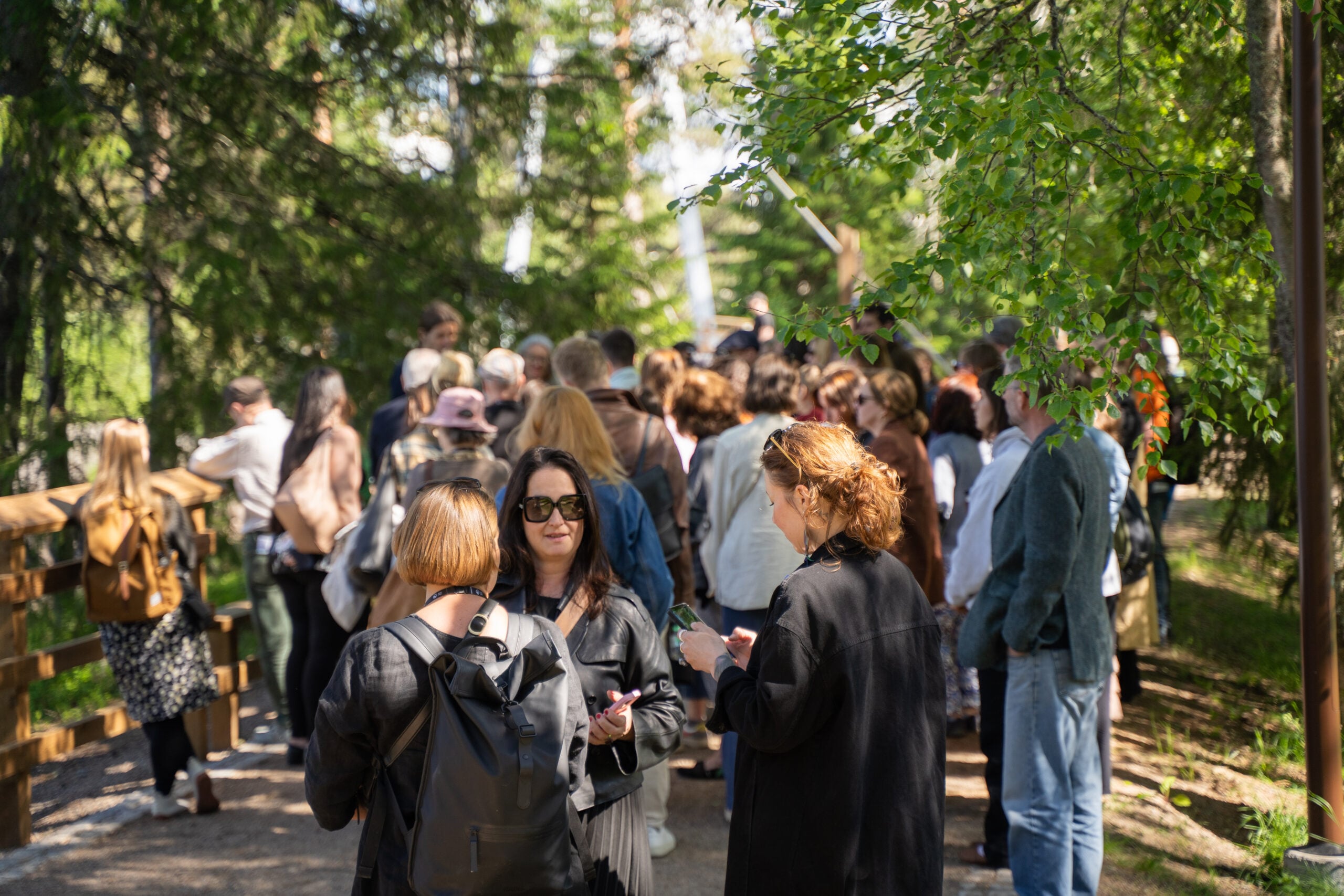
The artworks opened to the public on 13 June 2026 across six locations: Yli-Ii, Oulu city centre, Ylikiiminki, Oulunsalo, Kiiminki and Kello. The opening events brought together visitors, artists and local communities, creating a strong sense of connection around the artworks.
Climate Clock is one of the most significant artistic highlights of Oulu2026 European Capital of Culture. Curated by Alice Sharp, Artistic Director and founder of the UK-based organisation Invisible Dust, and programmed by international producer Claudia Woolgar (Netherlands), the public art trail features new site-specific works by Ranti Bam (UK/Nigeria), Rana Begum (UK/Bangladesh), Takahiro Iwasaki (Japan), Gabriel Kuri (Belgium/Mexico), Antti Laitinen (Finland), SUPERFLEX (Denmark), and Tellervo Kalleinen and Oliver Kochta-Kalleinen (Finland).
Climate Clock artworks:
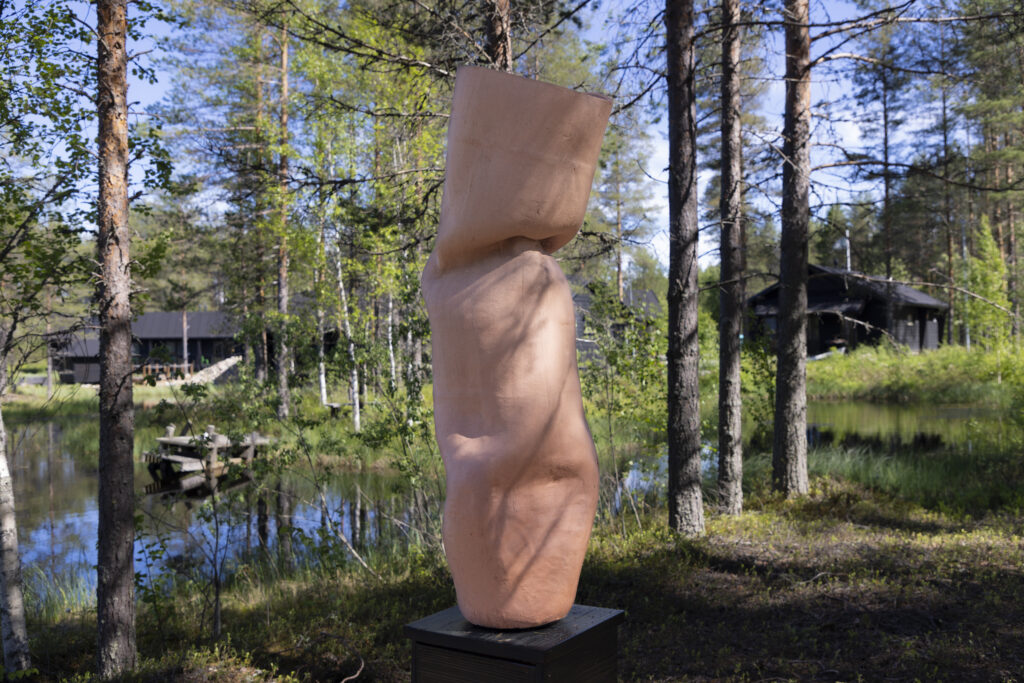
- Ranti Bam: Ilé-Ìlá (Kierikki, Yli-Ii)
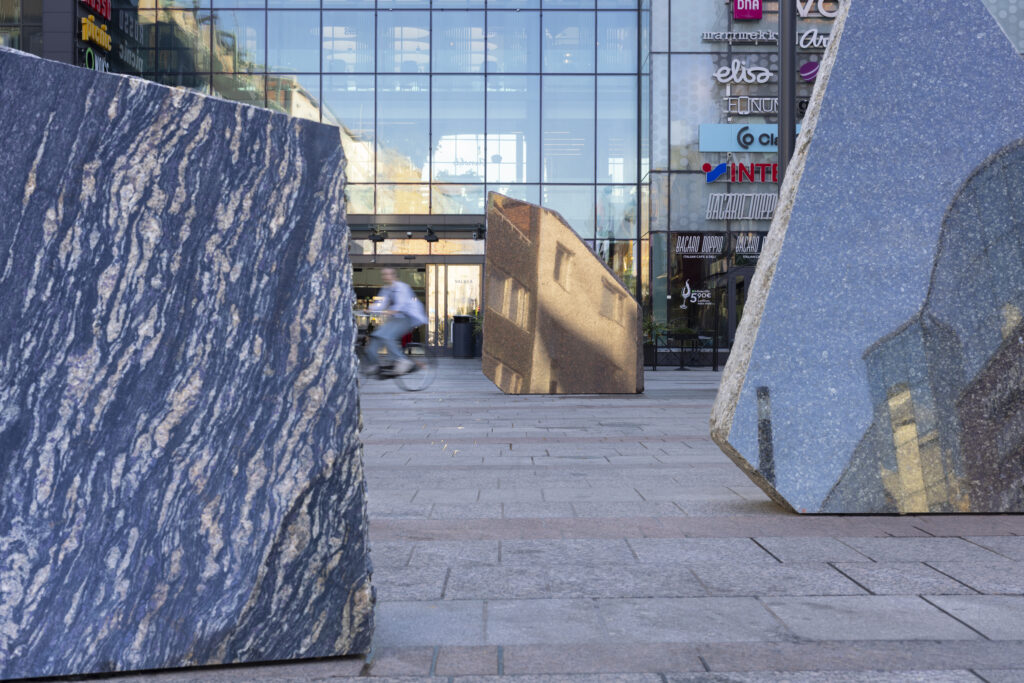
- Rana Begum: No.1575 Stone(Kauppurienaukio Square, Oulu city centre)
- Takahiro Iwasaki: Architectural Snowflakes: Letters from Heaven (Kirkkosuvanto beach, Ylikiiminki)
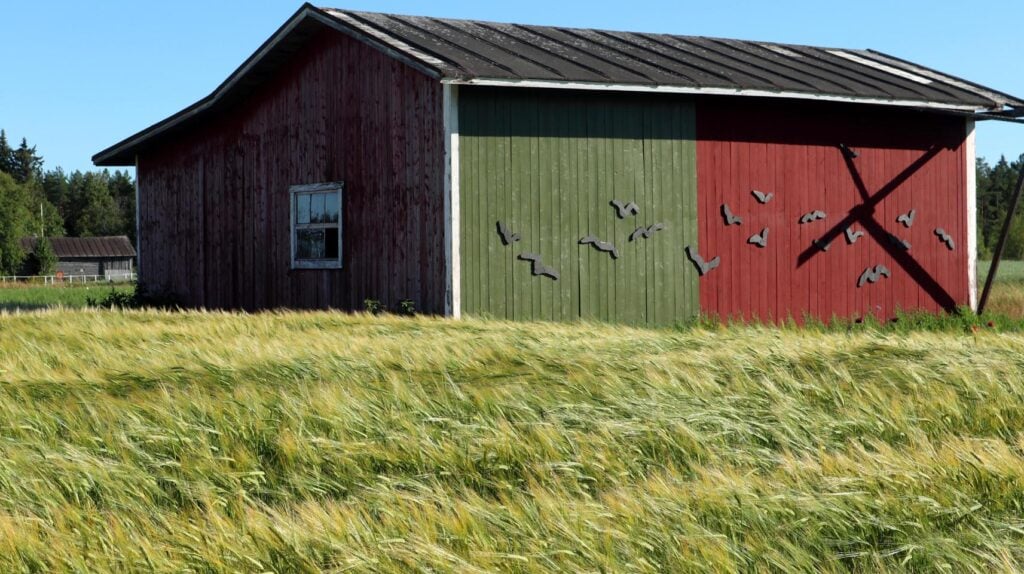
- Gabriel Kuri: Risk Assessing Risk Assessment (surroundings of Oulunsalo Traditional Village Museum)
- Antti Laitinen: You Are Here (Koiteli, Kiiminki)
- SUPERFLEX: Super Kello (Kiviniemi fishing harbour, Kello)
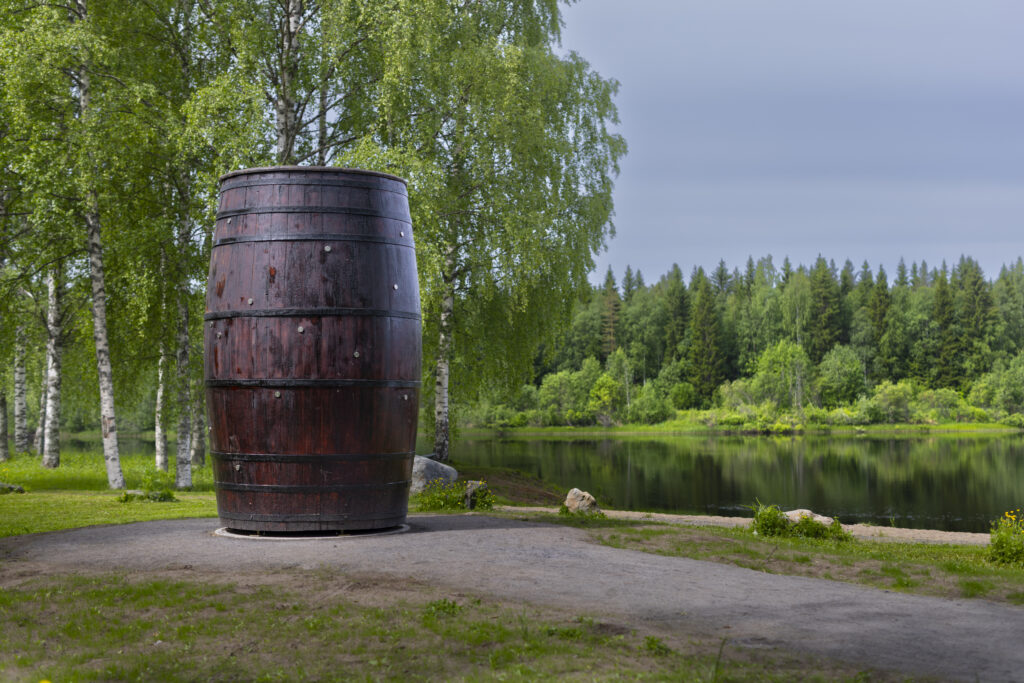
- Tellervo Kalleinen & Oliver Kochta-Kalleinen: The Most Valuable Clock in the World (at Kierikki until 17 June, and at Cultural Centre Valve, Oulu city centre from 23 June – 19 July)
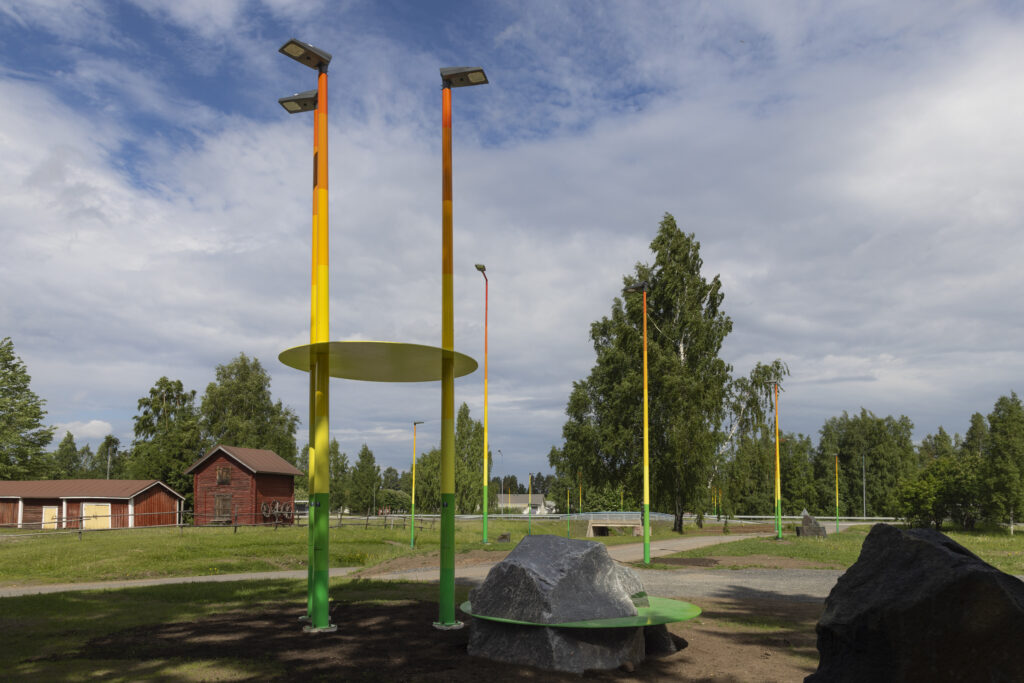
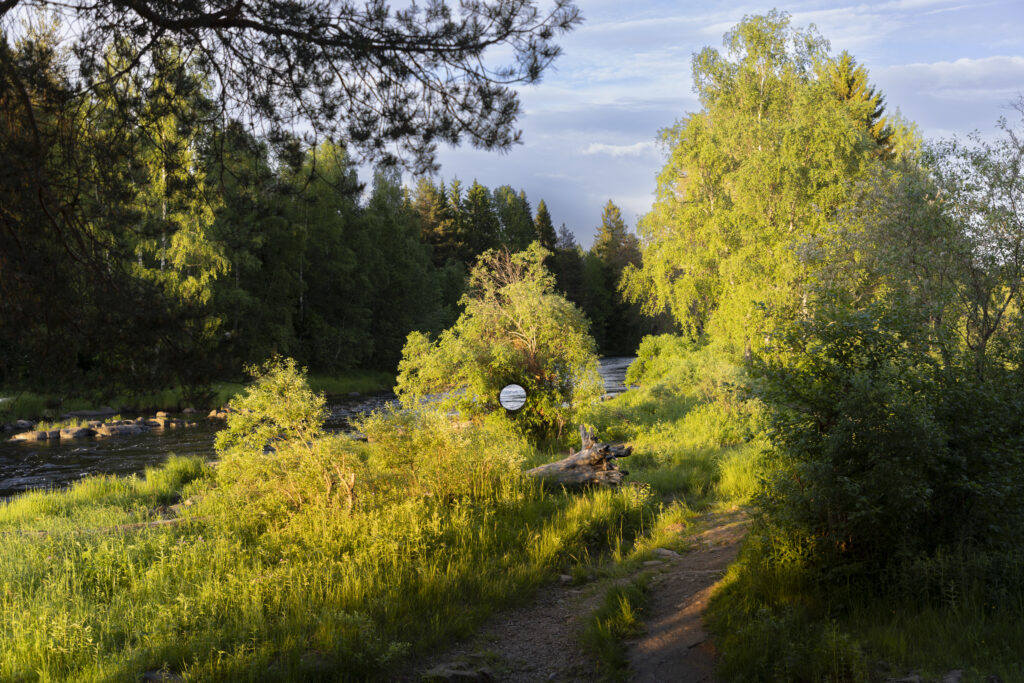
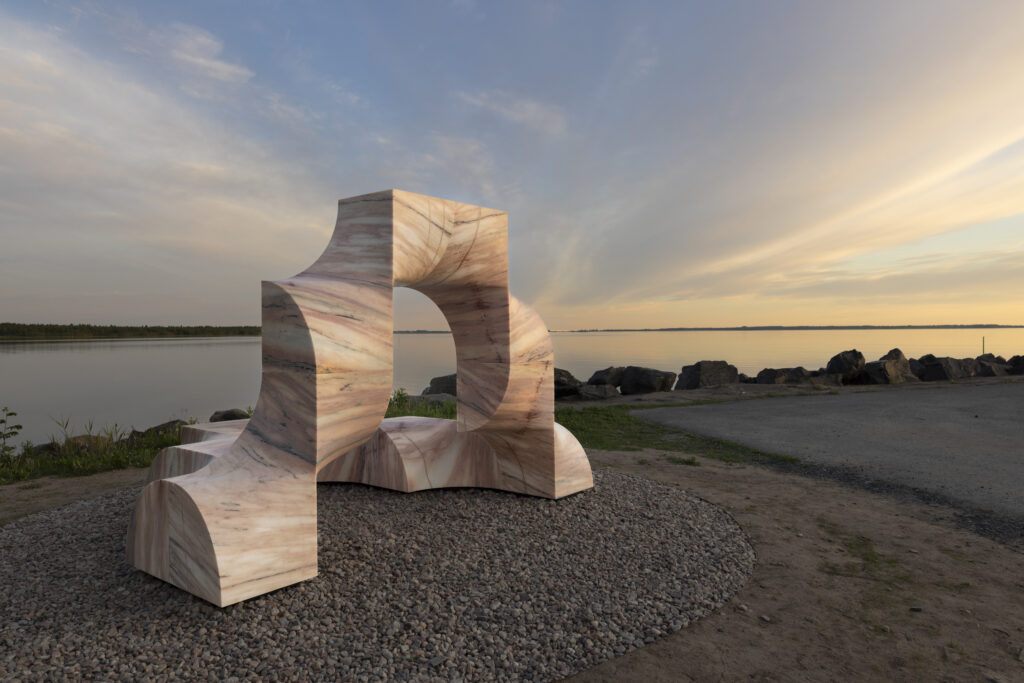
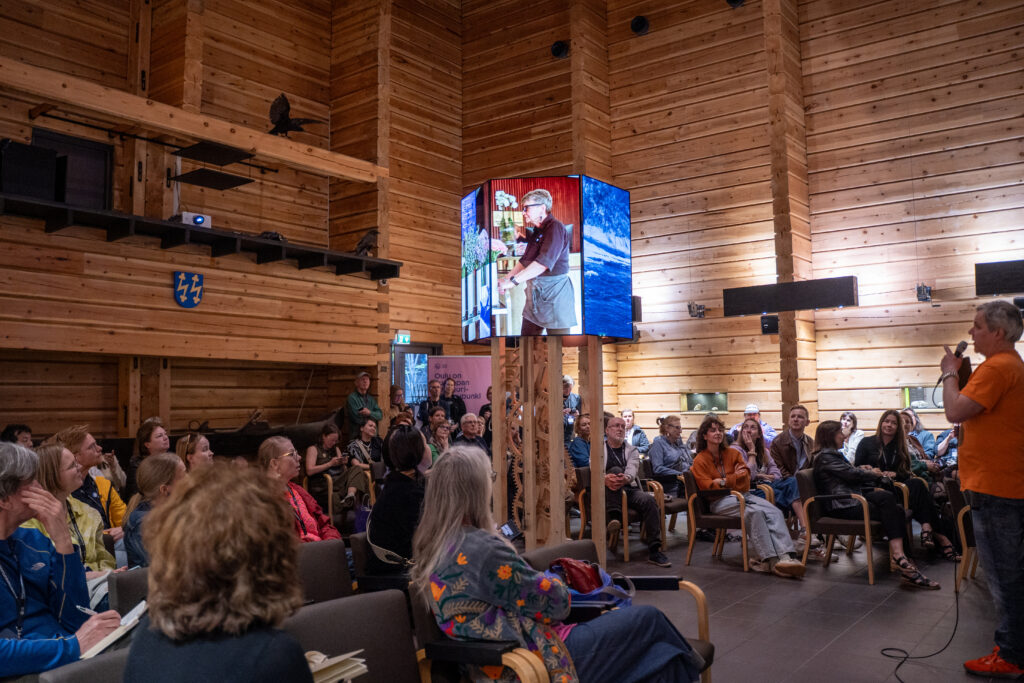
Created in collaboration with scientists and local communities, the artworks offer new perspectives on climate change and northern environments. The artists have worked with specialists including climate scientists, archaeologists, a snow hydrologist, a glaciologist and a lichen biologist, creating connections between artistic practice, scientific research and the landscapes of Oulu.
“The Climate Clock is ticking, the snow is melting, and we are learning anew what our forebears knew – that time is not ours to command; that nature keeps its own time,” says Alice Sharp, curator of Climate Clock.
Spanning natural and urban settings, the artworks are rooted in Oulu’s distinctive histories, communities and environments. From forests and rivers to coastlines and Stone Age heritage, each work invites audiences to slow down and experience different forms of connection with the natural world.
“Climate Clock invites us to reconnect with the natural world through the perspectives of an outstanding group of artists. The artworks create new ways of experiencing our relationship with nature, encouraging us to slow down and pay attention to the rhythms and changes around us,” says Ulla Viskari-Perttu, executive producer for visual arts at Oulu2026.
The artworks can be experienced as a day trip or a longer journey across the Oulu region. Visitors can explore the trail by car, public transport or even by cycling between locations over several days. Along the route, art encounters can be combined with local experiences, including the landscapes of Koiteli, the Kierikki Stone Age Centre, coastal environments and cultural destinations across the region.
The permanent Climate Clock artworks will remain as part of the legacy of Oulu2026 European Capital of Culture 2026 and become part of the collection of the Oulu Museum of Art.
For more information on the artworks, see Oulu Art Museum’s website.